Why it May Hurt to Clench Your Teeth
Posted on 3/2/2026 by Singing River Dentistry - Florence |
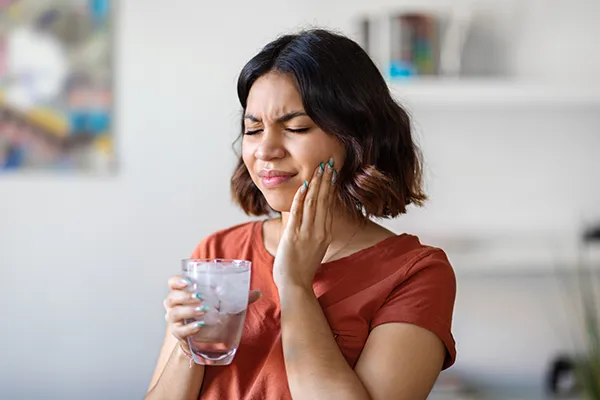 Have you ever caught yourself tightly pressing your teeth together, even when you're not eating? Many people do it, often without realizing it. This habit, known as clenching teeth, can seem harmless, but it can actually cause a surprising amount of discomfort and even long-term problems. Let's explore why squeezing your teeth together can lead to pain and what you can do about it. Have you ever caught yourself tightly pressing your teeth together, even when you're not eating? Many people do it, often without realizing it. This habit, known as clenching teeth, can seem harmless, but it can actually cause a surprising amount of discomfort and even long-term problems. Let's explore why squeezing your teeth together can lead to pain and what you can do about it.
The Pressure Problem
Your teeth are designed to withstand the forces of chewing, but constant, excessive pressure from clenching is a different story. Think of it like this: squeezing a stress ball once or twice isn't a big deal, but squeezing it constantly, all day long, will eventually wear it out. The same principle applies to your teeth, jaw muscles, and temporomandibular joints (TMJ), which connect your jaw to your skull.
Clenching puts significant strain on these areas. The muscles in your jaw become overworked and fatigued, leading to soreness and stiffness. The TMJ can become inflamed, resulting in pain, clicking, or popping sounds when you open or close your mouth.
The Ripple Effect
The consequences of clenching aren't limited to just your jaw. The pain can radiate to other areas of your head and neck, causing headaches, earaches, and even neck and shoulder pain. You might find it difficult to open your mouth wide, or experience locking of the jaw.
Furthermore, clenching can damage your teeth. The constant pressure can wear down the enamel, the protective outer layer of your teeth. This can lead to increased sensitivity to hot and cold, as well as an increased risk of cavities. Clenching can also cause teeth to chip, crack, or even fracture. Existing dental work, such as fillings and crowns, can also be damaged or dislodged.
Identifying the Culprit
Often, clenching is related to stress or anxiety. People might clench their teeth unconsciously when they're feeling tense, frustrated, or overwhelmed. It can also happen during sleep, making it difficult to control. Other factors that can contribute to clenching include:
| • |
Misaligned teeth: If your teeth don't fit together properly, you might clench in an attempt to find a comfortable bite. |
| • |
Certain medications: Some medications can have side effects that contribute to clenching. |
| • |
Sleep disorders: Conditions like sleep apnea can be associated with teeth grinding and clenching. |
Protecting Your Smile and Your Health
If you suspect you're clenching your teeth, it's important to take steps to address the issue. Here are a few strategies:
| • |
Stress management: Find healthy ways to manage stress, such as exercise, yoga, meditation, or spending time in nature. |
| • |
Awareness: Pay attention to your jaw throughout the day. If you notice you're clenching, consciously relax your jaw muscles. |
| • |
Professional evaluation: See your dentist for an evaluation. They can assess the condition of your teeth and jaw, and recommend appropriate treatment options. |
Your dentist may suggest a custom-fitted night guard to protect your teeth from the forces of clenching during sleep. In some cases, treatments may be necessary to address underlying issues such as misaligned teeth. These treatments may fall under the umbrella of restoration dentistry. Focusing on consistent oral care, including regular dental visits and good oral hygiene practices, is crucial for maintaining the health of your teeth and preventing further damage from clenching. Taking care of your teeth means taking care of your overall well-being.
|
|

