Posted on 6/15/2026 by Singing River Dentistry - Florence
Many of us have reached for a toothpick after a meal to dislodge that annoying piece of food stuck between our teeth. They seem harmless enough, but are toothpicks truly a safe and effective way to maintain oral hygiene? Let's explore the potential benefits and risks to help you decide.
The Good: When Toothpicks Can Help
Toothpicks can be helpful in removing larger food particles that are lodged between teeth, particularly in areas where brushing and flossing might not reach effectively. They can provide immediate relief from the discomfort of trapped food. Some people find that using a toothpick can also stimulate saliva production, which helps to neutralize acids in the mouth and wash away food debris. Certain types of toothpicks, like those made from soft wood or plastic, are designed to be gentle on the gums and can be useful for massaging the gumline, promoting circulation. This is especially helpful in areas where gums might be receding.
The Bad: Potential Problems with Toothpicks
While toothpicks offer some advantages, there are also potential downsides to consider. One of the biggest risks is gum damage. If used incorrectly or too aggressively, toothpicks can injure the gums, causing bleeding, inflammation, and even infection. The constant pressure and poking can also lead to gum recession over time, exposing more of the tooth root and making teeth more sensitive.
Another concern is the possibility of introducing bacteria into the gums. Toothpicks, especially wooden ones, can harbor bacteria if they are not stored properly. Puncturing the gums with a contaminated toothpick can lead to an infection. Furthermore, small pieces of wood from the toothpick can sometimes break off and become lodged in the gums, causing irritation and potentially requiring professional removal.
A Better Approach to Interdental Cleaning
While toothpicks can be a temporary fix, they shouldn't be the primary method for cleaning between your teeth. There are much better and safer alternatives available.
•
Floss: Dental floss is still considered the gold standard for removing plaque and food particles from between teeth. It's designed to slide gently between the teeth and under the gumline without causing damage.
•
Interdental Brushes: These small, bristled brushes are designed to clean between teeth, especially in areas where there are larger gaps or around dental work like bridges or implants.
•
Water Flossers: These devices use a stream of water to flush out food particles and plaque from between teeth and along the gumline.
Using Toothpicks Safely (If You Must)
If you choose to use toothpicks, follow these guidelines to minimize the risks:
•
Choose the right toothpick: Opt for smooth, rounded toothpicks made from soft wood or plastic. Avoid splintered or broken toothpicks.
•
Be gentle: Use a gentle, probing motion to dislodge food particles. Avoid forcing the toothpick between teeth or pressing it hard against the gums.
•
Use a mirror: Look in a mirror to guide the toothpick and avoid injuring your gums.
•
Dispose of properly: After use, discard the toothpick to prevent bacterial contamination.
•
Don't share: Never share a toothpick with someone else to avoid spreading germs.
The Bottom Line
Toothpicks can provide temporary relief from trapped food, but they shouldn't replace regular brushing and flossing. If you're concerned about the health of your gums or have difficulty cleaning between your teeth, talk to your dental professional. They can recommend the best interdental cleaning methods for your individual needs and help you maintain a healthy smile.
Singing River Dentistry | About Us | Florence, AL At Singing River Dentistry, we look forward to helping patients improve their smiles and oral health at our Florence location. Learn more here. Singing River Dentistry, 2604 Hough Rd, Florence, AL 35630, 256-764-9955, florence.singingriverdentistry.com, 10/20/2026, Tags: dentist Florence AL,


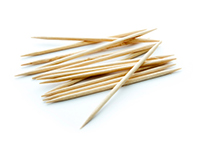 Many of us have reached for a toothpick after a meal to dislodge that annoying piece of food stuck between our teeth. They seem harmless enough, but are toothpicks truly a safe and effective way to maintain oral hygiene? Let's explore the potential benefits and risks to help you decide.