Dental Implant Healing Timeline: What to Expect
Posted on 11/6/2025 by Singing River Dentistry - Florence |
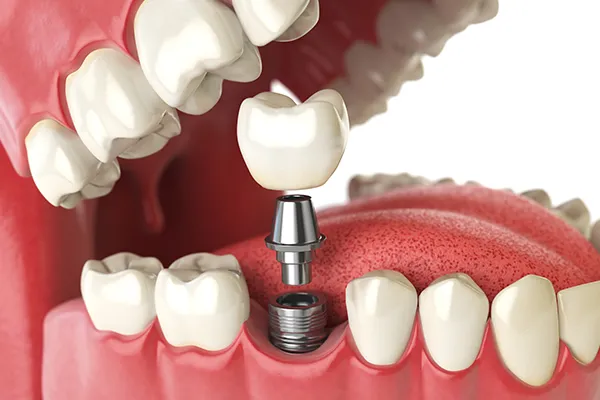 If you’re looking at getting a dental implant or are already in the middle of treatment, understanding the dental implant healing timeline can take a lot of guesswork out of the months ahead. Implant treatment is one of the most predictable procedures in modern dentistry, but it’s a process rather than a single appointment. Knowing what’s normal at each stage, and what isn’t, helps you heal smoothly and catch any concerns early. If you’re looking at getting a dental implant or are already in the middle of treatment, understanding the dental implant healing timeline can take a lot of guesswork out of the months ahead. Implant treatment is one of the most predictable procedures in modern dentistry, but it’s a process rather than a single appointment. Knowing what’s normal at each stage, and what isn’t, helps you heal smoothly and catch any concerns early.
At Singing River Dentistry in Florence, AL, we walk every implant patient through the full timeline before treatment starts, but it’s useful to have a written reference you can come back to. Below, we break down what to expect from the day of placement through the final crown, including the long osseointegration period that does most of the heavy lifting. If you’re still deciding whether implants make sense for you, our dental implant services page covers the broader picture, and the long-term benefits of implants are worth understanding before you commit.
On This Page
Factors That Affect Your Implant Healing Timeline
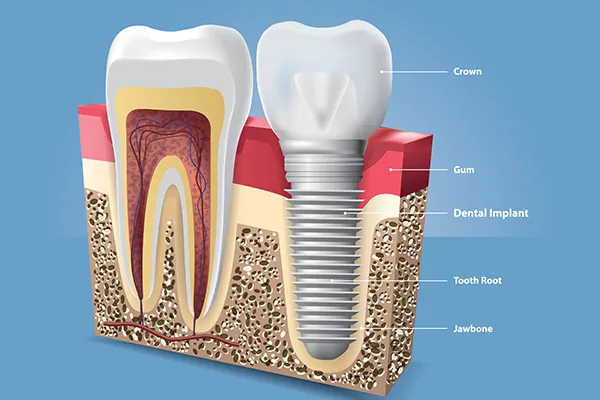 No two implant timelines look identical, because healing depends on the patient as much as the procedure. The most common variables include the density and volume of bone at the implant site, whether any preparatory steps like a tooth extraction or bone graft are needed beforehand, the location in the mouth (the upper jaw tends to heal more slowly than the lower jaw because the bone is softer), general health factors like diabetes or smoking that slow tissue healing, and how closely you follow post-op instructions. No two implant timelines look identical, because healing depends on the patient as much as the procedure. The most common variables include the density and volume of bone at the implant site, whether any preparatory steps like a tooth extraction or bone graft are needed beforehand, the location in the mouth (the upper jaw tends to heal more slowly than the lower jaw because the bone is softer), general health factors like diabetes or smoking that slow tissue healing, and how closely you follow post-op instructions.
For most healthy patients we treat in Florence, the total timeline from placement to final crown runs roughly three to six months. Patients who need bone grafting first may add a few months before placement, and patients with denser lower-jaw bone sometimes move faster. The point of giving the bone enough time isn’t arbitrary: it’s what creates the long-term stability that makes implants the durable option they are. If you haven’t yet had your implant candidacy assessed, our implant candidate evaluation is where that conversation starts.
Phase 1: The First Week After Implant Placement
The first three to seven days after placement are the most noticeable from a comfort standpoint, but they’re also typically the shortest part of the journey. Expect some swelling around the area, mild bruising in a few patients, and tenderness that responds well to over-the-counter pain relievers used as directed. Most of this fades significantly within 72 hours.
During this window, the priority is protecting the surgical site so the body can start its work. That means soft foods (think eggs, yogurt, smoothies, mashed vegetables), no chewing on that side, gentle saltwater rinses starting 24 hours after the procedure (no vigorous swishing), no straws for the first day or two, and avoiding tobacco entirely if at all possible. Brush the rest of your mouth normally and keep the implant site clean using whatever method your dentist recommended.
Phase 2: Soft Tissue Healing (Weeks 2 to 3)
Around the second and third week, the gum tissue around the implant closes and tightens. The visible swelling is gone, and most patients feel essentially normal except for the awareness that there’s something foreign in the area. Sensitivity to temperature in nearby teeth usually settles down by this point.
You can start gradually working softer normal foods back into your diet, but still avoid biting directly on the implant site. At this stage, the implant is held in place by friction with the surrounding bone (called primary stability) rather than by true bone integration, which is the work happening quietly in the background and takes considerably longer.
Phase 3: Osseointegration (3 to 6 Months)
This is the longest phase by far, and the most important. Osseointegration is the slow biological process where the jawbone grows into direct contact with the titanium implant surface, locking it permanently in place. It’s invisible from the outside (which is why patients often underestimate how much is going on), but it’s what gives implants their long-term success.
During this period, you generally don’t need to be doing anything special. Eat normally on the other side, keep up your home care, and come in for any scheduled check-ins so we can verify integration is on track. Some patients have a healing cap exposed above the gum the whole time. Others have the implant fully covered by gum tissue until later. Both approaches are normal and depend on the case. If you smoke, this is the phase where it does the most damage to your odds, since nicotine restricts the blood flow that’s feeding new bone formation.
Phase 4: Abutment Placement and Final Crown
Once your dentist confirms full integration, the implant is ready to receive its abutment (the small connector that links the implant to the crown) and final restoration. This usually involves a brief, minor procedure to expose the implant if it was buried, followed by a healing period of two to three weeks while the gum tissue shapes around the abutment.
After that gum contour has formed, an impression or digital scan is taken, the final crown is fabricated, and a last appointment cements or screws it into place. Your bite will be checked and adjusted to make sure everything sits in harmony with your other teeth. It’s normal for the new crown to feel slightly different for a few days while your bite adapts, but it shouldn’t be sore. Once the bite settles, the implant should feel like a permanent part of your mouth, because it is.
What’s Normal vs. When to Call Us
Mild discomfort, swelling, and the occasional small amount of pink in your saliva for the first few days are all expected. So is a slightly bruised feeling when you press near the implant area early on. None of those should make you worry.
Reasons to pick up the phone, however, include swelling that gets worse rather than better after the third day, a persistent throbbing that isn’t controlled by over-the-counter medication, drainage or a bad taste coming from the implant site, fever, or any sense that the implant itself is loose or moving. These don’t necessarily mean something is wrong, but they’re worth a quick check rather than a wait-and-see.
Setting Yourself Up for a Smooth Implant Recovery
The patients who heal smoothest are usually the ones who follow their post-op instructions carefully, keep their follow-up visits, and ask early when something feels off. If you’re weighing implant treatment or already on the healing journey, our team at Singing River Dentistry in Florence, AL is here for any question along the way. Call 256-764-9955 or visit our homepage to learn more about implant care.
Frequently Asked Questions
How soon after a tooth extraction can I get a dental implant?
It depends on the site and bone condition. Some implants can be placed at the same time as the extraction, which is called immediate placement, while others wait three to four months for healing before the implant goes in. Your dentist will recommend the approach that gives the best long-term result for your case.
Can I go back to work the day after implant placement?
Most patients can return to a desk job within 24 to 48 hours, especially after a single implant. Jobs that involve heavy lifting or strenuous physical activity are better resumed after three to five days. Listen to your body and avoid anything that increases blood flow to the face during the first few days.
Is osseointegration something I’ll feel happening?
No, it’s a slow, quiet process that takes place at the cellular level inside the bone. You won’t notice anything happening day to day. The only sign is that the area becomes less tender over the weeks and feels stable when your dentist checks it at follow-up visits.
What if my implant feels loose during healing?
A loose-feeling implant is one of the few situations that warrants a same-day call. The implant should feel solid at every stage. Sometimes a healing cap can loosen and create that sensation without the implant itself being affected, but it should always be checked.
Do I clean an implant differently than my other teeth?
Once the final crown is on, you can brush an implant just like a natural tooth, but flossing technique matters more because the gum interface is slightly different. We walk every patient through what works best for their specific implant care routine at the final fitting appointment.
|
|

