Foods That Help Strengthen Tooth Enamel Naturally
Posted on 3/8/2026 by Singing River Dentistry - Florence |
 If you have been searching for foods that strengthen tooth enamel naturally and wondering whether diet really makes a measurable difference, the short answer is yes, though with one important caveat. Enamel itself does not regrow once it is worn away, but the surface can be remineralized when the right minerals and nutrients are present in your saliva. Patients in Florence, AL ask our team about this often, usually after hearing conflicting advice online about miracle foods or remineralization drinks. The honest picture is more practical: certain everyday foods genuinely support enamel strength, and a few daily habits make a meaningful difference over time. If you have been searching for foods that strengthen tooth enamel naturally and wondering whether diet really makes a measurable difference, the short answer is yes, though with one important caveat. Enamel itself does not regrow once it is worn away, but the surface can be remineralized when the right minerals and nutrients are present in your saliva. Patients in Florence, AL ask our team about this often, usually after hearing conflicting advice online about miracle foods or remineralization drinks. The honest picture is more practical: certain everyday foods genuinely support enamel strength, and a few daily habits make a meaningful difference over time.
This guide walks through what actually helps strengthen tooth enamel through diet, the foods most worth building into your routine, and where everyday habits like drinking water and chewing sugar-free gum fit in. We will also cover the limits of dietary support and where professional care fits into a broader cavity prevention strategy.
On This Page
How Enamel Actually Strengthens
Enamel is the hardest substance in the human body, but it is not living tissue, which means once it wears away or breaks down from acid, your body cannot regrow it. What your body can do is remineralize the surface, replacing lost calcium and phosphate ions when saliva carries them back to the tooth. This process happens dozens of times a day, every time bacteria produce acid and saliva works to neutralize it.
Diet plays a direct role in this back-and-forth. Foods that provide calcium, phosphorus, vitamin D, and other supporting nutrients give your saliva the raw materials it needs for remineralization. Foods that bathe teeth in sugar or acid throw the balance the other way, and over time, demineralization wins. The goal is not any single “enamel-strengthening” food but a steady supply of the right inputs.
One important reality to keep in mind: nothing reverses true cavities. Once decay has progressed past the early demineralization stage and physically broken through the enamel, no food or supplement repairs that hole. Diet matters most as a preventive tool, not a fix. For early surface demineralization (sometimes visible as a faint white spot), nutrient support combined with fluoride can genuinely turn things around.
Dairy and Dairy-Adjacent Foods
Dairy is the clearest dietary winner for enamel. Milk, plain yogurt, and cheese supply calcium and phosphate in highly absorbable forms, and they contain casein, a protein that forms a thin protective film on the tooth surface and helps neutralize acid. Cheese in particular is interesting because chewing it stimulates saliva and the resulting pH lift in the mouth lasts noticeably longer than after most other foods.
Plain Greek yogurt offers similar benefits with the added bonus of probiotic strains that some research suggests may help shift the balance of oral bacteria. The key word is plain. Sweetened yogurts swing the equation the other way with their sugar content, particularly the flavored varieties marketed to kids.
For people who do not eat dairy, fortified plant milks and tofu set with calcium sulfate provide similar minerals. Sesame seeds, tahini, and certain leafy greens fill some of the calcium gap, though absorption rates vary by source. The pattern across the week matters more than any single substitute.
Vegetables, Fish, and Whole Foods
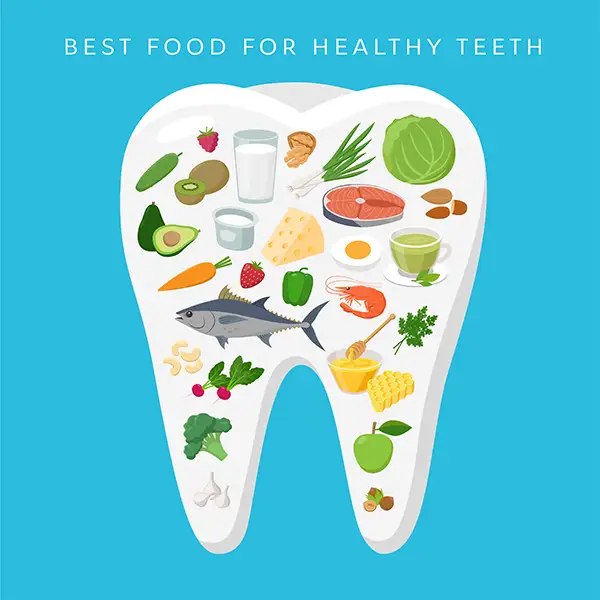 Vegetables that show up consistently on enamel-friendly lists do so for good reasons. Leafy greens like kale, spinach, and collards provide calcium, folate, and other minerals that support oral tissue health. Their fiber also encourages chewing, which means more saliva, which means more remineralization opportunity. Vegetables that show up consistently on enamel-friendly lists do so for good reasons. Leafy greens like kale, spinach, and collards provide calcium, folate, and other minerals that support oral tissue health. Their fiber also encourages chewing, which means more saliva, which means more remineralization opportunity.
Fatty fish like salmon, sardines, and mackerel deliver vitamin D, which the body needs to actually use calcium effectively. You can eat plenty of calcium-rich food and still come up short on enamel benefit if vitamin D is low. Sun exposure helps, but for many people, fatty fish a couple of times a week is the easiest dietary source.
Eggs round out this category. Yolks contain vitamin D and phosphorus, both directly relevant to enamel. Nuts and seeds such as almonds, walnuts, and pumpkin seeds bring magnesium, phosphorus, and additional calcium, plus a satisfying chew that stimulates saliva.
Crunchy fruits and raw vegetables (apples, pears, carrots, celery) also pull their weight. They scrub the tooth surface mechanically while you chew, stimulate saliva flow, and provide vitamins and fiber that support gum health. They are not a substitute for brushing, but they make a strong between-meal snack choice.
Drinks, Gum, and Hydration Habits
Water is the unsung hero of enamel protection. It rinses food particles, dilutes acids, and supports normal saliva production. Tap water in most fluoridated communities also provides a steady, low-dose source of fluoride that integrates into the enamel surface and makes it more resistant to acid attack. Our professional fluoride treatments deliver the same mineral at a much higher concentration during routine visits.
Sugar-free gum with xylitol earns its reputation as an enamel-friendly habit. Chewing stimulates a flood of saliva, and xylitol itself appears to interfere with the metabolism of the bacteria that cause cavities. A few minutes of gum after a meal speeds the return to neutral pH and can be a meaningful add-on when brushing is not an option.
Green and black tea both contain polyphenols that some studies suggest can suppress the growth of cavity-causing bacteria. The trade-off is that tea, especially black tea, can stain teeth over time, so most people find the balance is best with moderate consumption and a quick water rinse afterward. Coffee is mildly acidic and can stain teeth over time, so the same habit of rinsing with water after drinking is worth building.
What to Limit (Briefly)
The flip side of enamel-supporting foods is acid and constant sugar exposure. Soda, sports drinks, citrus juices, and sticky candy keep enamel under acid attack long after you have finished consuming them. Frequency matters more than total amount: sipping a soda over an hour does more damage than drinking it quickly with a meal, because the teeth never get a break from the acid. Our guide to foods that raise decay risk covers the most common problem items in more detail.
A quick rule that helps: if you have eaten or drunk something acidic, wait at least thirty minutes before brushing. The enamel surface is temporarily softer right after acid exposure, and brushing immediately can wear it down faster.
Where Professional Care Fits In
Diet does the daily work, but professional care fills in the gaps that food alone cannot reach. A routine teeth cleaning removes the hardened plaque (tartar) that brushing cannot, and a dental exam catches early demineralization spots while they can still be remineralized rather than filled. For patients with higher decay risk, fluoride varnish applied at the office gives a concentrated boost that household toothpaste cannot match.
We also use these visits to talk through diet patterns when they are relevant. Sometimes a small change, like switching from juice to water with meals or moving snacks to fewer windows during the day, makes more difference for enamel than any individual food choice.
Building Habits That Stick
The foods that genuinely support enamel are mostly the ones you already know are good for you: dairy, leafy greens, fish, eggs, nuts, and plenty of water. The bigger lever is consistency, not any single food. If you would like personalized guidance for your situation, our team at Singing River Dentistry in Florence is happy to talk through it. Call 256-764-9955 or visit our Florence Hough Road office to schedule a visit.
Frequently Asked Questions
Can I actually reverse a cavity by eating the right foods?
Not a true cavity. Once decay has broken through the enamel surface, no food, supplement, or paste can fill that hole. What diet and fluoride together can do is reverse very early demineralization before it becomes a cavity. Faint white spots and rough patches on enamel sometimes respond to nutrient support and professional fluoride, but established cavities need to be filled.
How much calcium do I need for healthy teeth?
General guidance for most adults is around 1,000 to 1,200 milligrams of calcium per day, with vitamin D in the 600 to 800 IU range to help the body use it. Hitting these targets through a mix of dairy, leafy greens, fish, and fortified foods tends to be more reliable than counting milligrams from any single source.
Are smoothies bad for tooth enamel?
They can be, especially if they are sipped over an hour or built around very acidic ingredients like a lot of citrus or pineapple. Blending also breaks down fiber, which lets natural sugars hit teeth faster. If smoothies are a regular part of your routine, drinking through a straw, finishing within fifteen minutes, and rinsing with water afterward all help reduce the effect on enamel.
Does drinking milk after sugary snacks help?
It does help neutralize acid and provides calcium and phosphate to support remineralization, so it is a reasonable habit. It does not erase the sugar exposure entirely. The bigger benefit comes from making milk (plain, unsweetened) or cheese the snack itself rather than the chaser.
Is bottled water as good as tap water for teeth?
Most bottled waters lack fluoride, which is one of the strongest tools for keeping enamel resistant to acid. Tap water in most fluoridated communities is generally the better daily choice for dental health unless there is a specific reason to avoid it. If you prefer bottled water for taste, fluoride toothpaste and professional fluoride applications still cover the bases.
|
|

