Why Your Bite Feels "Off" (And How Dentists Fix It)
Posted on 8/5/2026 by Singing River Dentistry - Florence |
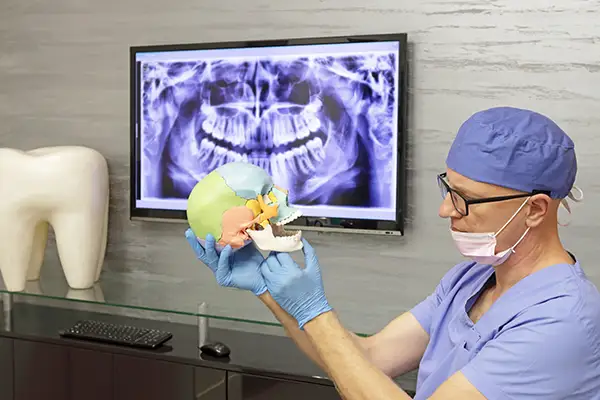 Many patients in Florence, AL describe the same unsettling experience: their bite suddenly feels off, like one tooth is hitting first or the upper and lower teeth no longer fit together the way they used to, and our Singing River Dentistry team hears this concern often enough to know there is usually a clear cause and a straightforward fix. A bite that feels different is one of the most under-discussed dental complaints because there is no sharp ache to point to, just a quiet sense that something is not aligned. Many patients in Florence, AL describe the same unsettling experience: their bite suddenly feels off, like one tooth is hitting first or the upper and lower teeth no longer fit together the way they used to, and our Singing River Dentistry team hears this concern often enough to know there is usually a clear cause and a straightforward fix. A bite that feels different is one of the most under-discussed dental complaints because there is no sharp ache to point to, just a quiet sense that something is not aligned.
The change is often subtle, hard to put into words, and easy to dismiss as something that will go away on its own. In most cases it will not, because bite problems tend to compound over time as the jaw, muscles, and surrounding teeth all adapt to the new way of closing. The longer the issue continues, the more those compensations can lead to other problems like uneven wear, sore jaw muscles, or strain on a single tooth that takes more force than it was built to handle.
This post walks through what an off-feeling bite usually means, the most common reasons it happens, how we evaluate it, and what your dentist can do to bring everything back into alignment. In many situations, a customized dental treatment plan can resolve the issue with conservative steps before it requires anything more involved.
On This Page
What an “Off” Bite Can Feel Like
Bite issues feel different to different people. Some describe it as one tooth hitting first when they close, like there is a tiny pebble between the teeth that should not be there. Others notice a feeling of tightness or fatigue in the jaw muscles, particularly first thing in the morning or after a long meal. A few describe it as the teeth no longer fitting the way they used to, similar to noticing a door that suddenly will not latch the same way.
Soreness in one specific tooth when chewing, especially on harder foods, is another common version. Some patients feel a clicking or shifting in the jaw joint when they open and close, while others say nothing actually hurts, but the alignment simply does not feel like theirs anymore.
In our experience working with patients in Florence and across the Shoals area, the most telling sign is that the sensation does not go away on its own. Bite issues caused by a high spot, a shifted tooth, or ongoing grinding tend to persist or worsen over time, unlike normal post-meal soreness that fades within a day or two.
Common Causes of a Changed Bite
Several different issues can change the way your teeth come together, and they range from very simple to more involved. Identifying the cause is what determines how easy the fix will be.
| • |
A recent filling or crown sitting slightly high - This is by far the most common cause and usually the easiest to address. A new restoration that is even a fraction of a millimeter too tall can change the entire bite, and a brief adjustment typically resolves it.
|
| • |
Tooth movement after losing a neighboring tooth - When a tooth is missing, the surrounding teeth drift toward the open space and the opposing tooth can grow into the gap from above or below. These shifts gradually change how the rest of the bite comes together.
|
| • |
Wear from long-term clenching or grinding - Years of nighttime grinding gradually flatten the chewing surfaces and shorten the teeth, which changes the contact points and can leave the bite feeling unbalanced.
|
| • |
Inflammation in the jaw joint - Swelling or fluid changes in the temporomandibular joint can shift the joint slightly, changing how the lower jaw closes against the upper teeth.
|
| • |
Orthodontic relapse - Teeth can move years or decades after braces or aligners, especially if a retainer is no longer being worn, and even small shifts can change the feel of the bite.
|
| • |
A cracked or fractured tooth - A fractured tooth can flex under bite pressure or become tender to chewing forces, both of which alter how it contacts its neighbors. |
Each of these has its own path to a comfortable resolution, and the right starting point is a careful look at how your teeth currently come together.
How We Diagnose a Bite Issue
Bite diagnosis is largely a hands-on process. We start by asking when the change began and what activities seem to bring it on or make it worse. A recent restoration, a new pattern of morning jaw soreness, or a stressful stretch of life can all narrow the field quickly.
The most common tool is articulating paper, a thin colored film that patients bite down on so the dentist can see exactly which surfaces are contacting first and how hard. The colored marks left behind highlight high spots and uneven pressure points in seconds. From there, we look at the rest of the teeth for wear facets, any teeth that appear to have drifted, signs of grinding on the enamel, and the condition of any existing restorations. Imaging is sometimes added when the joint itself or the supporting bone needs to be evaluated, particularly when TMJ treatment is on the table as a possible direction.
Most bite evaluations are completed in a single visit, and patients often leave with both a clear sense of what is going on and a plan for how to address it.
Treatments That Restore Your Bite
 The fix depends on the cause, but most bite problems respond well to relatively conservative treatments when they are caught early. For a recent filling or crown sitting too high, an occlusal adjustment takes only a few minutes and involves carefully reducing the contact point until the bite feels even. The relief is usually immediate. The fix depends on the cause, but most bite problems respond well to relatively conservative treatments when they are caught early. For a recent filling or crown sitting too high, an occlusal adjustment takes only a few minutes and involves carefully reducing the contact point until the bite feels even. The relief is usually immediate.
When ongoing grinding is wearing down the teeth and changing the bite, a custom night mouth guard protects the chewing surfaces during sleep and distributes pressure more evenly across the bite. For heavier grinding patterns or patients who have developed muscle soreness alongside the wear, broader teeth grinding treatment addresses both the bite forces and the muscle tension that drives them.
If the jaw joint itself is inflamed or out of position, joint-focused care, sometimes combined with a custom bite splint, helps the joint settle into a more comfortable resting position. When teeth have shifted because of a missing tooth or because of orthodontic relapse, restoring the gap or guiding the teeth back into alignment may be the lasting solution. In situations where a restoration is fundamentally interfering with the bite and an adjustment is not enough, replacing the restoration with a better-fitting version is the answer.
When to Have Your Bite Checked
If your bite has felt different for more than a week or two, or if you are noticing morning jaw soreness or a sore tooth when chewing, it is worth having it looked at. Our Hough Road team in Florence, AL can usually identify the source in a single visit, and the fix is often simpler than patients expect. You can reach us at 256-764-9955 or get in touch through our home page to arrange a bite evaluation.
Frequently Asked Questions
How long should a new filling or crown feel slightly different?
Mild differences after a new filling or crown often fade within a few days as the surrounding muscles and the ligaments around the tooth adjust to the new shape. If the bite still feels distinctly off after a week, or if one tooth is clearly hitting first and the others are not, a quick adjustment is appropriate. A small reduction usually solves it in just a few minutes.
Can a high filling damage my teeth or jaw?
Yes, an untreated high spot can cause real problems over time. The tooth carrying the extra pressure may become sore, develop a crack, or stress the jaw joint and muscles on that side. The adjustment itself is quick and comfortable, and it protects against these downstream effects.
Why does my bite feel off in the morning?
Morning bite changes usually point to nighttime clenching or grinding. The muscles work hard against each other for hours during sleep, which can leave the teeth feeling slightly mispositioned and the jaw fatigued first thing. A custom night guard often resolves the morning sensation within a few weeks of consistent use.
Can a missing back tooth really change my whole bite?
Yes. The teeth on either side of a gap tend to tilt toward it, and the opposing tooth above or below can grow into the empty space. These small shifts add up over time and can change how even the front teeth come together. Replacing the missing tooth, often with a dental implant or bridge, prevents this kind of cascading movement.
Does an off-feeling bite always need treatment?
Most bites that feel persistently off do benefit from treatment, because the underlying cause rarely resolves on its own. A brief evaluation can tell you whether the issue is something minor that needs only a quick adjustment or something that deserves more attention. That information alone is often a relief.
|
|

