How Invisalign Works Step-by-Step
Posted on 2/2/2026 by Singing River Dentistry - Florence |
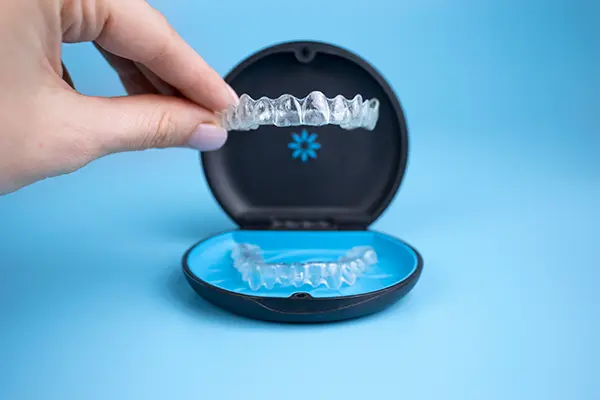 If you are wondering how Invisalign works step by step before committing to clear aligner treatment, this guide walks through the entire process from first consultation to final retainer. Patients in Florence, AL often hear that Invisalign is “just clear braces” without much more detail, and they come in with reasonable questions about scanning, attachments, daily wear, and what actually happens between trays. The basic idea is simple, but the workflow has more moving parts than most people realize. If you are wondering how Invisalign works step by step before committing to clear aligner treatment, this guide walks through the entire process from first consultation to final retainer. Patients in Florence, AL often hear that Invisalign is “just clear braces” without much more detail, and they come in with reasonable questions about scanning, attachments, daily wear, and what actually happens between trays. The basic idea is simple, but the workflow has more moving parts than most people realize.
Below is a complete walkthrough of every stage, what your role is at each step, and the common variations that come up along the way. Whether you are weighing Invisalign against traditional braces or already planning treatment, knowing the full picture helps the experience feel less abstract. Our cosmetic dentistry team in Florence has guided many patients through this exact process.
On This Page
The Initial Consultation
Every Invisalign case starts with a consultation, which is essentially a focused evaluation of whether clear aligners can deliver the results you want. The dentist examines your bite, looks for issues that would change the approach (active gum disease, untreated decay, or alignment patterns that aligners cannot address well), and talks through your goals. This conversation matters because patients often come in with a single concern, like a crowded front tooth, and discover the dentist sees a broader bite issue worth addressing at the same time.
Photographs and a quick set of measurements help build a baseline. From here, the team puts together a customized treatment plan that outlines what Invisalign can realistically accomplish in your case, roughly how long it will take, and any preliminary work your teeth may need first. If a routine dental exam has not happened recently, that often gets scheduled alongside or before the planning phase to confirm everything is healthy enough to begin.
Digital Scans and 3D Planning
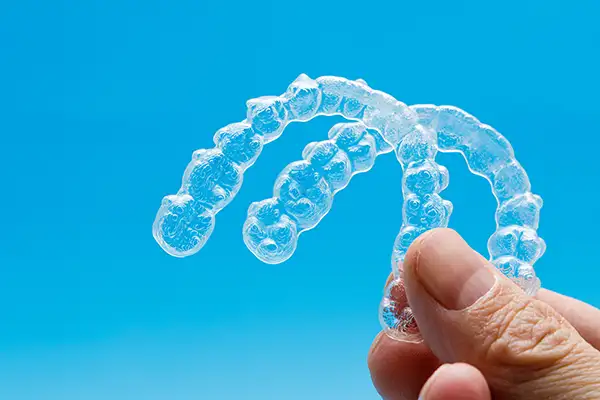 Once you decide to move forward, the next step is a digital scan of your teeth. A small handheld wand captures detailed 3D images of every tooth and the surrounding gum tissue, replacing the messy putty impressions that used to be standard. The scan typically takes about ten to fifteen minutes and is far more comfortable than the old method. Once you decide to move forward, the next step is a digital scan of your teeth. A small handheld wand captures detailed 3D images of every tooth and the surrounding gum tissue, replacing the messy putty impressions that used to be standard. The scan typically takes about ten to fifteen minutes and is far more comfortable than the old method.
That scan becomes the foundation of your 3D treatment plan. Software maps out exactly how each tooth will move from its current position to its final one, and the dentist reviews and refines that plan, adjusting movements, attachment placement, and timing. You will usually get to see a preview of the projected end result, which helps set expectations before any trays are even produced. The completed plan is then sent to the lab, where a custom series of aligner trays is fabricated specifically for your teeth.
Receiving Your First Trays
At your fitting appointment, the dentist hands over the first set of trays, checks the fit, and walks through how to insert and remove them. You will also receive a small case for storage and instructions on cleaning. Some patients also have small tooth-colored attachments placed at this visit, which we cover in a later section. Most people feel mild pressure or tightness for the first day or two as the teeth respond, and that fades quickly.
Daily Wear and Switching Trays
The single most important factor in a successful Invisalign outcome is wear time. Aligners need to be in the mouth twenty to twenty-two hours a day. Trays come out for meals, drinking anything other than water (especially anything hot, colored, or sugary), and for brushing and flossing. Then they go right back in.
| • |
Wear time - Aim for 20 to 22 hours daily; less than that slows progress
|
| • |
Eating and drinking - Remove trays for meals and anything other than water
|
| • |
Oral hygiene - Brush and floss before reinserting; rinse trays each time
|
| • |
Tray care - Clean trays daily with a soft brush and lukewarm water, never hot |
You will switch to the next tray on a schedule the dentist sets, usually every one to two weeks. Each new tray applies a fresh round of gentle pressure to continue moving teeth toward the planned position. Check-in visits happen every six to twelve weeks so the team can confirm progress is matching the plan and adjust if anything is off-track. These visits are quick and rarely involve anything complicated.
Attachments, Refinements, and Retainers
A few additional pieces of the Invisalign process often surprise patients. Small tooth-colored attachments are bonded to certain teeth to give the aligners better grip when a more difficult movement is needed, like rotating a stubborn tooth. They are quick to place, do not feel like braces brackets, and come off when treatment is complete.
Some bite issues also benefit from light interproximal reduction, which is a very thin reshaping between certain teeth to create a sliver of space for movement. Whether this is needed depends entirely on the specific case.
Toward the end of treatment, the dentist evaluates the result against the original plan. If a few teeth have not fully reached their target positions, a short series of refinement aligners is ordered to finish the job. Refinements are common, not a sign anything went wrong, and they are usually built into the original treatment fee.
Once active treatment finishes, retainers take over. Teeth naturally want to drift back over time, so retainers (often a clear set worn at night) are essential for keeping the new position long-term. Without retention, all of the careful planning and tray wearing can slowly undo itself.
Is Invisalign Right for You?
Invisalign handles a wide range of orthodontic concerns well. Mild to moderate crowding, spacing, certain bite issues, and relapse from prior orthodontic work are usually within its capability. Severe alignment problems, significant jaw discrepancies, or patients who genuinely cannot commit to twenty-plus hours of daily wear may be better candidates for traditional braces or a different approach.
Lifestyle is part of the equation. Because the trays are removable, success depends on the patient actually wearing them. Adults often appreciate the freedom of being able to take them out for a meal or an important event, but that same freedom requires real discipline. Teens can be excellent candidates too, particularly with the wear indicators that some Invisalign products include.
Aesthetics frequently drive the decision. For patients pursuing a broader smile makeover that combines alignment with other cosmetic work, Invisalign fits cleanly into a sequenced plan and is typically completed before any final veneers or whitening.
When to Talk to Our Team
If you have been thinking about Invisalign and want a clear sense of whether it makes sense for your specific situation, a consultation is the best place to start. Our team at Singing River Dentistry in Florence will walk you through what is realistic, what it will involve, and what your timeline could look like. Call 256-764-9955 or schedule a visit at our Florence Hough Road office when you are ready.
Frequently Asked Questions
How long does Invisalign treatment typically take?
Treatment length depends on the complexity of the case. Most adult cases range from about six months to eighteen months, with simpler cases finishing on the shorter end and more complex bites taking longer. The dentist gives you a projected timeline as part of the 3D treatment plan, and refinements at the end can add a few weeks to a couple of months.
Does Invisalign hurt?
Most patients describe mild pressure or soreness for the first day or two after switching to a new tray. It is a sign the aligners are working. Over-the-counter pain relievers used as directed handle it easily, and the sensation fades quickly as teeth adapt to each new position.
Can I drink coffee with my Invisalign trays in?
Plain water is the only safe drink with trays in place. Coffee, tea, soda, juice, and alcoholic beverages can stain the aligners and trap sugars or acids against the teeth, which raises decay risk. Plan to remove trays for any drink other than water, then rinse the trays and your mouth before reinserting.
What happens if I lose a tray?
Call the office right away. Depending on where you are in the treatment cycle, the dentist may advise you to move to the next tray early, go back to the previous one for stability, or order a replacement. Trying to skip ahead without guidance can disrupt the planned movement sequence.
Do I have to wear a retainer forever after Invisalign?
Most patients wear a retainer at night indefinitely to maintain the result. Teeth have a natural tendency to drift back over time, and consistent retainer wear is the only reliable way to prevent that. The nighttime-only schedule is far less demanding than the twenty-plus hours of daily wear during active treatment.
|
|

